A Changing Mole, a Reassuring App: Which Deserves Attention?
A person notices a mole changing, uploads a photograph to an AI app, and receives a reassuring answer. That answer can feel like permission to stop worrying.
However, consumer skin-assessment apps can give incorrect results. The American Academy of Dermatology (AAD) cautions that inaccurate app diagnoses can delay necessary care. AAD guidance on health apps
For Houston readers exploring digital health tools, the practical question is what an app result actually establishes, especially when the skin itself continues to change.
A reassuring result is not an all-clear
Some apps analyze skin photographs and offer possible explanations. A list containing both harmless and cancerous conditions leaves the patient with a decision the technology cannot safely settle. The AAD advises professional evaluation rather than choosing a diagnosis from that list. AAD guidance on health apps
The National Cancer Institute also states that skin-lesion apps need further large-scale testing to establish their accuracy and usefulness for screening. A reassuring output should therefore not determine whether a concerning change receives medical attention. NCI skin cancer screening information
Changes deserve attention even when nothing hurts
Growing, bleeding, or changing spots, and sores that do not heal, warrant discussion with a doctor. Early skin cancer may cause no pain or general feeling of illness. These observations do not establish a diagnosis, but a reassuring app result does not cancel them. AAD skin cancer information
Patients can explain what changed, when it became noticeable, and what the app reported. Their doctor or care team should guide the next step, including whether assessment by a dermatologist is appropriate.
Screening and evaluating a changing spot are different
Screening looks for cancer before symptoms appear. A question about a changing spot needs discussion on its own merits, rather than being treated as a routine screening reminder. NCI advises reporting worrisome skin changes to a doctor. NCI screening information
An app alert also does not establish cancer. Screening can produce both false reassurance and false alarms. When a clinician identifies a suspicious spot, a biopsy may be needed to determine what it is. That decision belongs to the clinician. NCI screening benefits and risks
Digital tools can support care without settling the diagnosis
Reminder apps may help patients follow an established care routine. Their usefulness for organization is separate from their ability to identify disease. Patients considering a skin-health app can discuss its purpose with their doctor and review its privacy protections. AAD guidance on health apps
A general AI chatbot is not a reliable alternative for deciding whether a skin photograph shows cancer. The AAD specifically advises against using chatbots for this purpose because they can misidentify both cancerous and noncancerous growths. AAD guidance on AI and skin cancer
The Bottom Line
A reassuring app result should not override a concerning skin change. The useful next conversation is with the patient’s doctor about the observation and appropriate evaluation.
This article provides general information and is not a substitute for personalized medical advice.
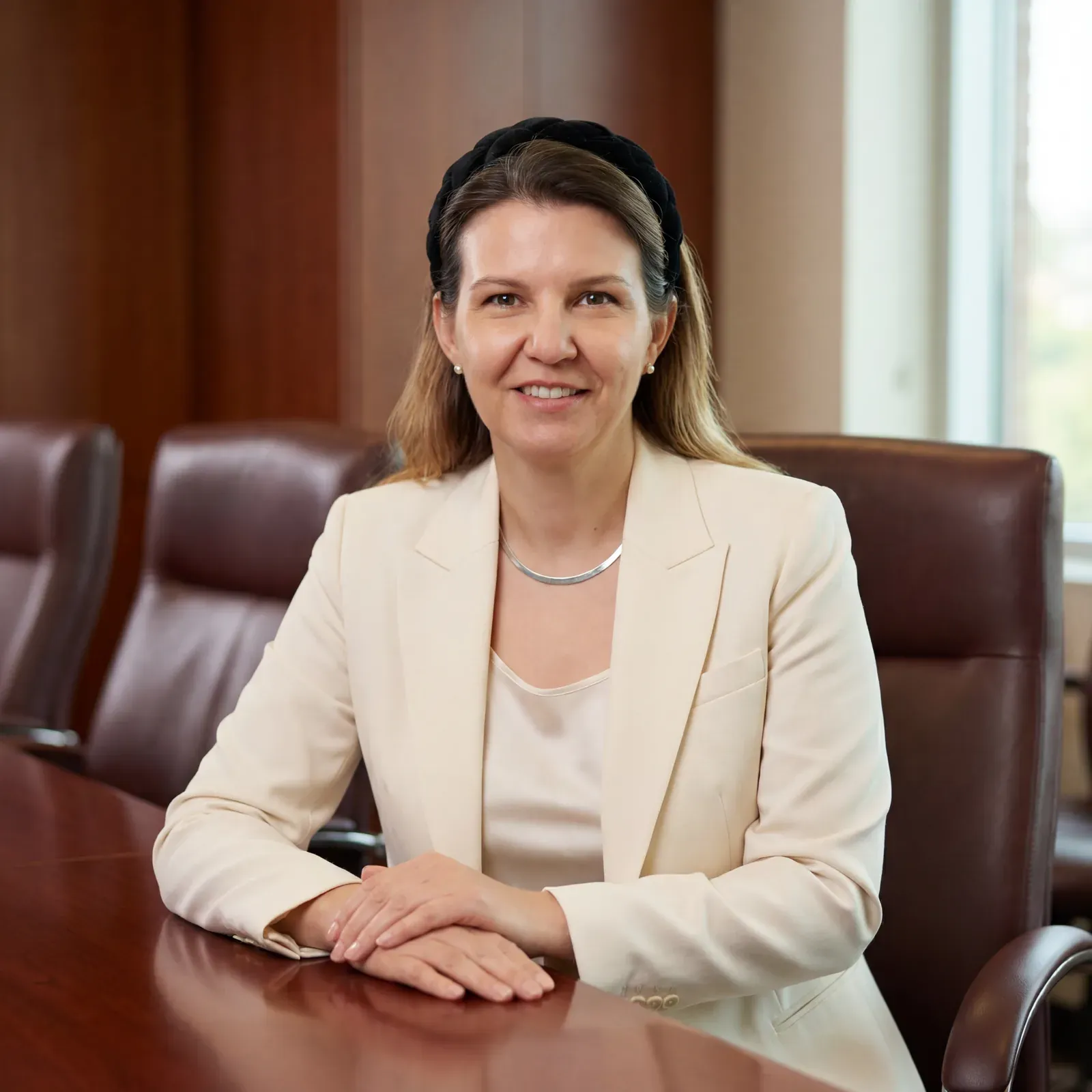
Readers can learn more about Dr. Vuslat Muslu Erdem, MD, or discuss concerns about AI skin screening with their own physician.