How Remote Patient Monitoring Lowers Stress for Caregivers
For millions of adult children caring for aging parents, the heaviest burden is not the physical labor of caregiving, but the invisible, relentless weight of constant medical anxiety.
Balancing personal careers, raising children, and managing an elderly parent’s complex medical needs creates a perfect storm for caregiver burnout. The modern caregiver often operates in a state of hyper-vigilance, lying awake at night wondering if a parent’s blood pressure is spiking, if their blood sugar has dropped, or if that slight cough is the beginning of a severe heart failure exacerbation. This constant state of ‘not knowing’ forces family members to act as amateur medical managers, a role they are rarely trained for, leading to profound chronic stress, emotional exhaustion, and strained family dynamics.
However, the landscape of eldercare is experiencing a profound transformation through digital medicine. Remote patient monitoring (RPM) is emerging not just as a clinical tool for physicians, but as an essential mental health lifeline for families. By seamlessly transmitting daily health data directly to a healthcare provider, RPM removes the burden of medical guesswork from the family’s shoulders. This comprehensive guide explores the psychological toll of caregiving, how digital monitoring devices function, and why integrating remote patient monitoring for caregivers can restore peace of mind, prevent clinical emergencies, and help adult children return to simply being family members again.
The Hidden Epidemic of Caregiver Burnout
Caregiving is an act of profound love, but it frequently comes at a severe cost to the caregiver’s own physical and psychological well-being. Adult children who step into the role of primary caregivers for their aging parents often find themselves navigating a labyrinth of complex medical instructions, medication schedules, and unpredictable health fluctuations. The chronic stress associated with this responsibility creates a phenomenon widely recognized by medical professionals as caregiver burnout—a state of physical, emotional, and mental exhaustion that can be accompanied by a change in attitude, from positive and caring to negative and unconcerned. This exhaustion does not happen overnight; it is the cumulative result of months or years spent in a state of perpetual high alert.
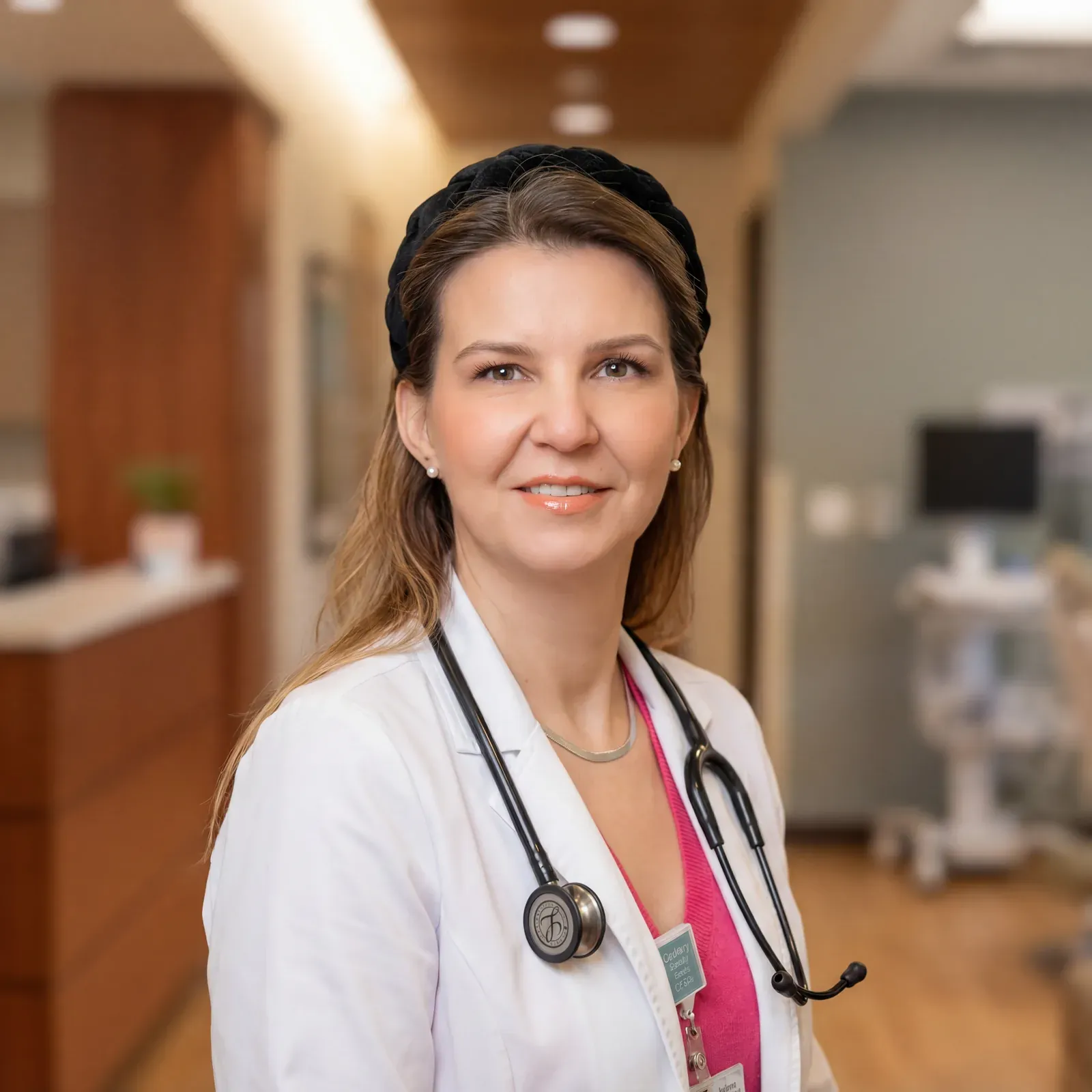
Research indicates that caregivers experience higher rates of depression, anxiety, and chronic illness compared to non-caregivers. The ‘sandwich generation’—adults caring for both young children and aging parents—faces particularly intense pressures. They are frequently forced to make difficult compromises, sacrificing their own sleep, nutritional needs, and preventative healthcare appointments to manage their parent’s medical crises. Dr. Vuslat Muslu Erdem, a board-certified Internal Medicine physician at Kelsey-Seybold Clinic, Fort Bend Campus in Sugar Land, TX, recognizes that when a patient’s health declines, the ripple effects deeply impact the entire family structure. The constant fear of a sudden medical emergency, such as a stroke or a severe diabetic episode, leaves caregivers feeling isolated and overwhelmed. They are often left guessing whether a parent’s fatigue is a normal sign of aging or a red flag requiring an immediate trip to the emergency room.
Without objective medical data, caregivers must rely on subjective observations and the often-unreliable self-reporting of their parents. Many elderly individuals minimize their symptoms because they fear losing their independence or simply do not want to become a burden to their children. This dynamic places the caregiver in an impossible position: trying to make critical health decisions without accurate information. The resulting stress is a heavy psychological burden that not only diminishes the caregiver’s quality of life but can also compromise the quality of care they are able to provide. Recognizing this silent epidemic is the first step toward finding sustainable solutions that protect both the patient’s health and the caregiver’s sanity.
- Caregivers frequently suffer from chronic sleep deprivation, anxiety, and immune system suppression due to prolonged stress.
- The lack of objective daily medical data forces families to make highly stressful, uneducated guesses about their parent’s health.
- Elderly patients often underreport symptoms to avoid being perceived as a burden, increasing the risk of hidden medical crises.
The Psychological Weight of Medical Management
One of the most exhausting aspects of caregiving is the transition from family member to medical manager. Managing a parent’s chronic conditions, such as hypertension, congestive heart failure, or diabetes, requires a level of clinical vigilance that most laypeople find intimidating. The fear of making a mistake—missing a medication dose or ignoring a subtle physical symptom—creates a profound sense of guilt and anxiety. Caregivers often describe feeling like they are constantly ‘on duty,’ unable to fully relax even during personal downtime.
Impact on the Caregiver’s Own Health
The stress of caregiving frequently manifests in physical symptoms for the caregiver. Physicians note that caregivers often present with stress-induced hypertension, severe fatigue, weight fluctuations, and gastrointestinal issues. By neglecting their own health needs to prioritize their parents, caregivers risk creating a secondary medical crisis within the family. Ensuring the caregiver has the support tools necessary to manage their stress is critical for the long-term sustainability of the caregiving arrangement.
Understanding the Mechanics of Remote Patient Monitoring (RPM)
To appreciate how technology can alleviate caregiver stress, it is essential to understand exactly how these systems operate. Remote patient monitoring involves the use of specialized, FDA-approved digital medical devices designed to collect physiological data from a patient in their home and securely transmit that information to their healthcare provider. Unlike consumer-grade fitness trackers or smartwatches, which provide general wellness data, clinical RPM devices are highly accurate, calibrated instruments prescribed by a physician to manage specific chronic conditions. These devices act as a continuous digital tether between the patient’s home and the medical clinic, providing a steady stream of objective health metrics.
To learn more about the physician behind these modern care approaches, patients can read about Dr. Vuslat Muslu Erdem and her background in internal medicine. The most common RPM devices include digital blood pressure cuffs for managing hypertension, Bluetooth-enabled weight scales for monitoring fluid retention in congestive heart failure, pulse oximeters for chronic respiratory conditions, and continuous glucose monitors for diabetes management. The technological implementation of these devices has advanced significantly in recent years. Recognizing that many elderly patients struggle with complex technology, modern RPM devices are often designed to be incredibly user-friendly. Many systems operate via cellular networks rather than requiring Wi-Fi passwords, smartphone pairing, or complex application downloads. The patient simply steps on the scale or puts on the blood pressure cuff, and the device automatically handles the data transmission in the background.
Once the data is collected, it is sent securely to the patient’s healthcare team. Medical professionals can then review these daily readings, identify trends, and intervene early if the data begins to drift outside of normal parameters. This continuous stream of information transforms chronic disease management from a reactive model—waiting for a crisis to occur before seeking treatment—into a proactive model. For the family, the knowledge that a clinical team is receiving and monitoring this data provides immense relief. To explore how these tools fit into comprehensive care, individuals can review the services offered by their healthcare providers. It shifts the responsibility of data interpretation from the adult child back to the trained medical professionals, where it belongs.
- Clinical RPM devices are FDA-approved and prescribed specifically for managing chronic health conditions.
- Modern devices often feature built-in cellular connectivity, eliminating the need for complex Wi-Fi or smartphone setup for elderly users.
- Data is securely transmitted directly to the healthcare provider’s dashboard for professional review and trend analysis.
Proactive vs. Reactive Healthcare
Traditional healthcare often relies on episodic visits. A patient sees their doctor every three to six months, and clinical decisions are made based on a single snapshot of data collected during that brief appointment. RPM provides a continuous motion picture of the patient’s health. By identifying subtle negative trends over days or weeks, physicians can adjust medications or provide lifestyle guidance long before the patient experiences a severe symptom requiring hospitalization.
The Difference Between Medical and Consumer Devices
It is crucial to differentiate between consumer wellness gadgets and prescribed clinical RPM tools. While a consumer smartwatch may track heart rate variability, a prescribed RPM blood pressure cuff undergoes rigorous clinical validation to ensure diagnostic accuracy. This accuracy is what allows physicians to confidently make medication adjustments without requiring an in-person clinic visit, providing a level of reliability that families can trust.
How Remote Patient Monitoring Eases Caregiver Anxiety
The introduction of remote patient monitoring into a family’s eldercare routine initiates a profound psychological shift for the caregiver. The primary benefit is the transition from ‘guessing’ to ‘knowing.’ When an aging parent is enrolled in an RPM program, the paralyzing fear of the unknown is significantly reduced. Caregivers no longer have to rely solely on their intuition to determine if a parent is safe; they have the reassurance that objective, clinical data is being regularly evaluated by medical professionals. This continuous oversight acts as a robust safety net, catching potential health deteriorations that the untrained eye would likely miss.
Consider the scenario of an adult child caring for a father with congestive heart failure. A common and dangerous complication of this condition is rapid fluid retention, which can quickly lead to severe breathing difficulties and emergency hospital admissions. Without monitoring, the caregiver might only notice the problem when the father is visibly gasping for breath on a Sunday evening, leading to a panicked rush to the emergency room. With a remote patient monitoring weight scale, the subtle daily increases in water weight are automatically tracked. The healthcare provider receives an alert about the upward weight trend on a Wednesday, contacts the patient to adjust their diuretic medication, and resolves the issue without an ER visit. For the caregiver, avoiding the trauma, stress, and logistical nightmare of a weekend hospital admission is an immeasurable relief.
Furthermore, remote patient monitoring helps mitigate ‘alert fatigue’ and hyper-vigilance. Caregivers often obsessively check on their parents, calling multiple times a day to ask how they are feeling or if they have taken their readings. This constant checking is driven by anxiety but rarely provides genuine medical reassurance. By knowing that a dedicated clinical team is receiving the data, caregivers can give themselves permission to step back. They can go to work, attend to their own children, or simply sleep through the night with the confidence that the medical side of their parent’s care is being professionally overseen. This profound sense of peace of mind is why digital health advocates emphasize that remote patient monitoring is as much an intervention for the caregiver’s mental health as it is a medical tool for the patient.
- Eliminates the anxiety of medical guesswork by providing objective, continuous health data to clinical teams.
- Prevents stressful emergency room visits through early detection of subtle health deteriorations.
- Allows caregivers to safely reduce their obsessive checking, lowering their daily psychological burden.
Replacing Subjective Reports with Objective Data
Aging parents frequently experience a shifting baseline of normal. They may become accustomed to feeling slightly dizzy or fatigued and fail to report these symptoms to their family. RPM bypasses this subjective reporting. An objective blood pressure reading or blood glucose level tells the true story of the patient’s physiological state, ensuring that caregivers are not caught off guard by hidden medical crises.
Reducing the Frequency of Medical Panics
The unpredictability of chronic illness is a massive source of caregiver stress. RPM introduces a level of predictability and control. By managing chronic conditions proactively through daily data trends, the frequency of sudden, severe medical events is dramatically reduced. This stability allows caregivers to plan their own lives without the constant dread of the next inevitable medical shoe dropping.
Transforming the Parent-Child Dynamic
Beyond the clinical benefits, remote patient monitoring has a remarkably positive impact on the emotional dynamics within a family. As parents age and require more assistance, the traditional parent-child relationship often becomes inverted. The adult child assumes an authoritative role, issuing reminders, monitoring behaviors, and constantly inquiring about medical compliance. This role reversal can be deeply uncomfortable for both parties. Elderly parents fiercely value their independence and autonomy, and they frequently resent feeling as though they are being micromanaged or treated like children by their own offspring.
This dynamic frequently leads to friction. Conversations that should be about family, love, and connection quickly devolve into interrogations: ‘Did you check your blood pressure today?’ ‘What was your blood sugar this morning?’ ‘Are you sure you feel okay?’ These medical check-ins can make the parent feel surveilled and defensive, causing them to withdraw or become uncooperative. For the adult child, the constant need to nag creates immense frustration and guilt. The relationship becomes transactional, centered entirely around disease management rather than familial bonding. Remote patient monitoring effectively removes the adult child from the role of ‘medical warden.’
When the data collection is automated and overseen by a healthcare provider, the daily friction over taking measurements evaporates. The parent interacts directly with their medical device, fulfilling their obligation to their doctor rather than submitting to the demands of their child. The physician becomes the authority figure overseeing the health metrics, allowing the adult child to step down from their stressful management position. This shift is profoundly liberating. It enables adult children to visit their parents and spend quality time discussing life, grandchildren, and shared memories, rather than interrogating them about their morning glucose levels. By delegating the medical oversight to technology and trained professionals, RPM helps preserve the dignity of the aging parent while restoring a loving, supportive relationship between parent and child. Families interested in learning more about integrating these tools can explore educational resources or read more digital health articles to understand best practices.
- Removes the adult child from the emotionally taxing role of ‘medical enforcer’ or ‘warden.’
- Preserves the aging parent’s sense of independence and dignity by allowing them to manage their own automated tracking.
- Eliminates daily arguments over medical compliance, returning the focus of family visits to connection and bonding.
Restoring Dignity to the Aging Process
Losing physical capability is a vulnerable experience for seniors. Having an adult child constantly hovering and monitoring their bodily functions can exacerbate feelings of helplessness. RPM empowers the senior to take charge of their own daily readings in private, knowing the data goes directly to their doctor. This simple act of autonomy can significantly boost a senior’s morale and compliance with their care plan.
Shifting the Blame to the Doctor
In family dynamics, it is often easier for a patient to take direction from a clinical professional than from their own child. If a dietary change or medication adjustment is needed based on RPM data, the directive comes from the physician’s office. The adult child can then act as a supportive ally rather than the demanding authority figure, radically reducing interpersonal conflict.
Actionable Steps to Implement RPM for Aging Parents
Transitioning an aging parent to a remote patient monitoring program requires thoughtful communication and a structured approach. Caregivers cannot simply purchase a device and expect immediate compliance; the process must be collaborative and medically supervised. The first step is to initiate a conversation with the parent’s primary care physician. Caregivers should schedule an appointment specifically to discuss the challenges of managing the parent’s chronic conditions at home and to inquire if the patient is a suitable candidate for RPM. Many board-certified physicians strongly advocate for these tools, recognizing that consistent home data is vastly superior to sporadic clinic readings.
When discussing the technology with the aging parent, the framing of the conversation is critical. It is essential to avoid language that suggests the parent is losing independence or requires surveillance. Instead, caregivers should frame remote patient monitoring as a VIP medical service—a way to keep their doctor informed in real-time, reducing the need for exhausting trips to the clinic or sudden emergency room visits. Emphasize that this technology is designed to keep them safely in their own home for as long as possible, a goal that most seniors strongly share. Highlighting the ease of use is also vital; reassure them that modern devices require no technical skills, passwords, or smartphone knowledge, simply the press of a single button.
Once the physician prescribes the RPM program and the devices are delivered, caregivers should assist with the initial physical setup, ensuring the devices are placed in a convenient, visible location to encourage daily use. Establishing a consistent daily routine—such as taking blood pressure immediately after morning coffee—helps turn the medical task into an automatic habit. Finally, caregivers must manage their own expectations. It is important to understand that while RPM data is continuously collected, it is not an emergency response system like a life alert button. The data is reviewed for trends, not monitored second-by-second. Setting these realistic expectations ensures that caregivers can fully embrace the peace of mind the system offers without misunderstanding its clinical purpose. Families ready to take this step should schedule an appointment with their doctor to explore eligibility and device options.
- Consult the parent’s primary care physician to determine if they qualify for an RPM prescription based on their chronic conditions.
- Frame the introduction of devices to the parent as a tool for preserving their independence and keeping them safely at home.
- Establish a simple, consistent daily routine for taking readings, linking the action to an existing habit like morning breakfast.
Navigating the Technical Setup
When acquiring devices, advocate for cellular-enabled equipment whenever possible. Wi-Fi-enabled devices can cause significant frustration if the home internet drops or passwords change, requiring the caregiver to travel to the parent’s house for technical support. Cellular devices function straight out of the box, offering a truly plug-and-play experience that drastically reduces implementation stress.
Setting Realistic Boundaries
Caregivers must intentionally use RPM as a tool to step back. Once the system is running smoothly, caregivers should resist the urge to log into patient portals daily to obsess over the numbers themselves. Trust the medical team to monitor the trends and reach out if intervention is required. True stress relief comes from relinquishing control to the clinical professionals.
The Bottom Line
Caregiver burnout is a pervasive and debilitating challenge, but it does not have to be an inevitable part of the aging process. Remote patient monitoring offers a powerful technological solution to a deeply human problem. By providing continuous, objective health data to clinical teams, RPM eliminates the agonizing guesswork of home medical management. It protects the physical health of the aging parent through proactive care while simultaneously safeguarding the psychological well-being of the caregiver, allowing families to step away from the brink of exhaustion.
Technology in healthcare is at its most beautiful when it fosters human connection. By offloading the burden of constant medical vigilance, remote monitoring gives adult children the freedom to simply be sons and daughters again.
If the stress of managing an aging parent’s health is becoming overwhelming, talk to your doctor or consult your healthcare provider to discuss how remote patient monitoring can be integrated into their care plan.
Disclaimer: Virtual care technology and remote monitoring supplement but do not replace in-person medical evaluation when needed. Individual results vary, and this content is for informational purposes only. It is not a substitute for professional medical advice, diagnosis, or treatment.